OIL ABOVE $91: The Inflation Shock That Could Force a Fed Hike
19:07 · Asian Guy - The Boring Historian · 2026-09-01
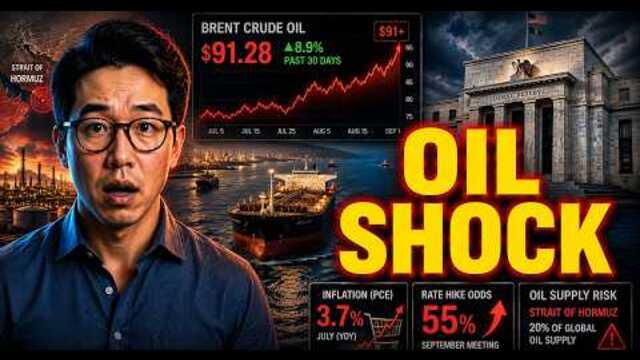
Brent crude oil has pushed above **$91 a barrel**, and the move is creating a new inflation threat just as the Federal Reserve faces one of its most difficult rate decisions of 2026. In this video, we break down why oil has surged, how renewed tensions around the **Strait of Hormuz** are affecting global energy markets, and why higher crude prices could force the Federal Reserve to reconsider its current interest-rate path. The latest oil move comes after renewed military escalation involving the United States and Iran. We examine the confirmed strikes, the disputed claims surrounding commercial shipping and the Strait of Hormuz, and why markets are reacting even when some battlefield reports remain contested. The Strait of Hormuz is especially important because a significant share of global oil supplies moves through the narrow waterway. Any sustained disruption could create a much larger energy shock, potentially affecting gasoline, transportation, shipping, manufacturing, utilities and consumer prices around the world. But the bigger financial story is what happens next. Federal Reserve Chair Kevin Warsh has already taken a notably hawkish position on inflation, warning that underlying price pressures have not slowed enough to provide confidence that inflation is returning quickly to the Fed's **2% target**. We examine the Fed's recent **9-3 rate decision**, growing market expectations for a potential rate hike, and the central bank's own discussion of higher oil prices as a potential source of persistent inflation. The timing matters. If crude prices remain above $90, the resulting increase in fuel, transportation and production costs could make it harder for inflation to cool. That creates a difficult choice for the Fed: tolerate higher inflation for longer, or raise interest rates and risk putting additional pressure on growth and borrowing. We also look at how rising oil prices and changing rate expectations are affecting **Treasury yields, mortgage..